

Sheet metal tolerances define the acceptable variation from a nominal dimension in fabricated components. Because sheet metal parts are cut, bent, and formed rather than machined from solid material, each manufacturing step introduces natural variation.
Understanding achievable tolerances helps engineers:
The chart below summarizes typical tolerance capabilities in modern sheet metal fabrication. These values represent typical fabrication capability, not guaranteed limits for every geometry or material.
| Feature | Typical Tolerance | Notes for Designers |
|---|---|---|
| Laser cutting profile tolerance | ±0.10–0.20 mm (±0.004–0.008 in) | Fiber laser cutting provides high precision for flat profiles and cutouts. |
| Hole diameter tolerance | ±0.10–0.15 mm | Smaller holes relative to thickness may require drilling or reaming for tighter tolerance. |
| Feature location tolerance | ±0.20–0.30 mm | Positional tolerance depends on sheet movement, thermal distortion, and machine accuracy. |
| Press brake bend angle | ±1° typical | A 90° bend may measure 89°–91° due to springback and tooling variation. |
| Flange length after bending | ±0.25–0.50 mm | Variation increases with multiple bends and thicker materials. |
| Inside bend radius | ±0.20–0.50 mm | Radius varies slightly due to tooling wear and material hardness. |
| Material thickness tolerance | ±0.05–0.30 mm depending on gauge | Mill tolerance varies by thickness and material specification. |
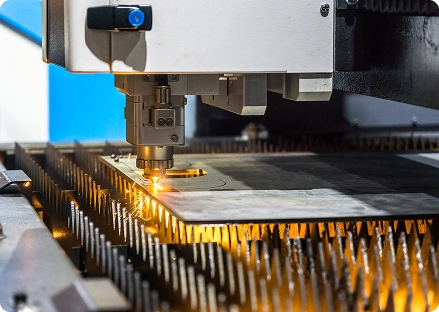
Laser cutting offers the highest dimensional accuracy in sheet metal fabrication. However, tolerances can vary due to material thickness, heat input, and sheet movement during cutting.
Typical capabilities:
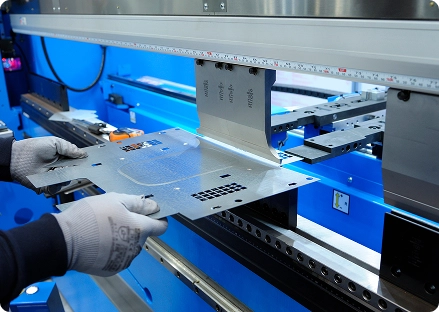
Bending introduces the most dimensional variation in sheet metal parts. Because bending stretches material, final dimensions can vary slightly from the flat pattern.
Common variables include:
Typical bending tolerance:
Welding introduces thermal expansion and contraction that can distort sheet metal assemblies. If precision alignment is required, engineers should locate critical dimensions away from weld zones.
Potential effects include:
Mitigation strategies:
Tolerance stacking occurs when small variations accumulate across multiple features.
A bracket with four bends may experience variation from:
Even when each step is within specification, the total deviation can affect assembly.This is a common cause of misaligned mounting holes, poor enclosure fit, and assembly interference.
Designers should prioritize functional dimensions rather than applying tight tolerances everywhere.
Some sheet metal features require tighter tolerances than fabrication processes can achieve.
Secondary machining may be required when:
Typical secondary processes include:
Tolerance specifications strongly influence fabrication cost. Overly tight tolerances can dramatically increase cost because they require:
Engineers should apply tight tolerances only to critical features. Here’s a general chart to help you review your options:
| Tolerance Range | Manufacturing Impact |
|---|---|
| ±0.50 mm | Easily achievable, lowest cost |
| ±0.20 mm | Standard fabrication tolerance |
| ±0.10 mm | Requires careful setup and inspection |
| ±0.05 mm or tighter | May require secondary machining |
When preparing fabrication drawings:
Budde Sheet Metal Works works closely with engineers to optimize tolerance strategies during the design phase.
Our engineering team can help with:
If you are unsure whether a tolerance is achievable, our team can review your design before quoting.