While sheet metal work is often associated with cutting and bending metal, today’s manufacturing processes encompass far more. Advanced fabrication combines CNC equipment, skilled craftsmanship, quality inspections, and value-added services to produce finished components that are ready for production.
Whether you’re sourcing a single fabricated component or managing a long-term production program, understanding what sheet metal work includes can help you make better manufacturing decisions.
What Is Sheet Metal Work?
Sheet metal work is the process of transforming flat sheets of metal into finished parts, assemblies, or products through a combination of fabrication techniques.
Depending on the application, this may include:
- Laser cutting
- CNC punching
- Forming and bending
- Welding
- Hardware insertion
- Machining
- Finishing operations
- Assembly
The goal is to produce parts that meet precise dimensional requirements while maintaining consistency across prototypes, low-volume production, and high-volume manufacturing.
Many OEMs rely on sheet metal work to manufacture:
- Equipment enclosures
- Mounting brackets
- Frames
- Panels
- Cabinets
- Guards
- Structural supports
- Custom machine components
These parts often become critical components within larger assemblies where fit, function, and repeatability are essential.
Common Sheet Metal Processes
Every project requires a different combination of fabrication processes. Selecting the appropriate manufacturing methods depends on the part geometry, material, tolerances, production volume, and end-use environment.
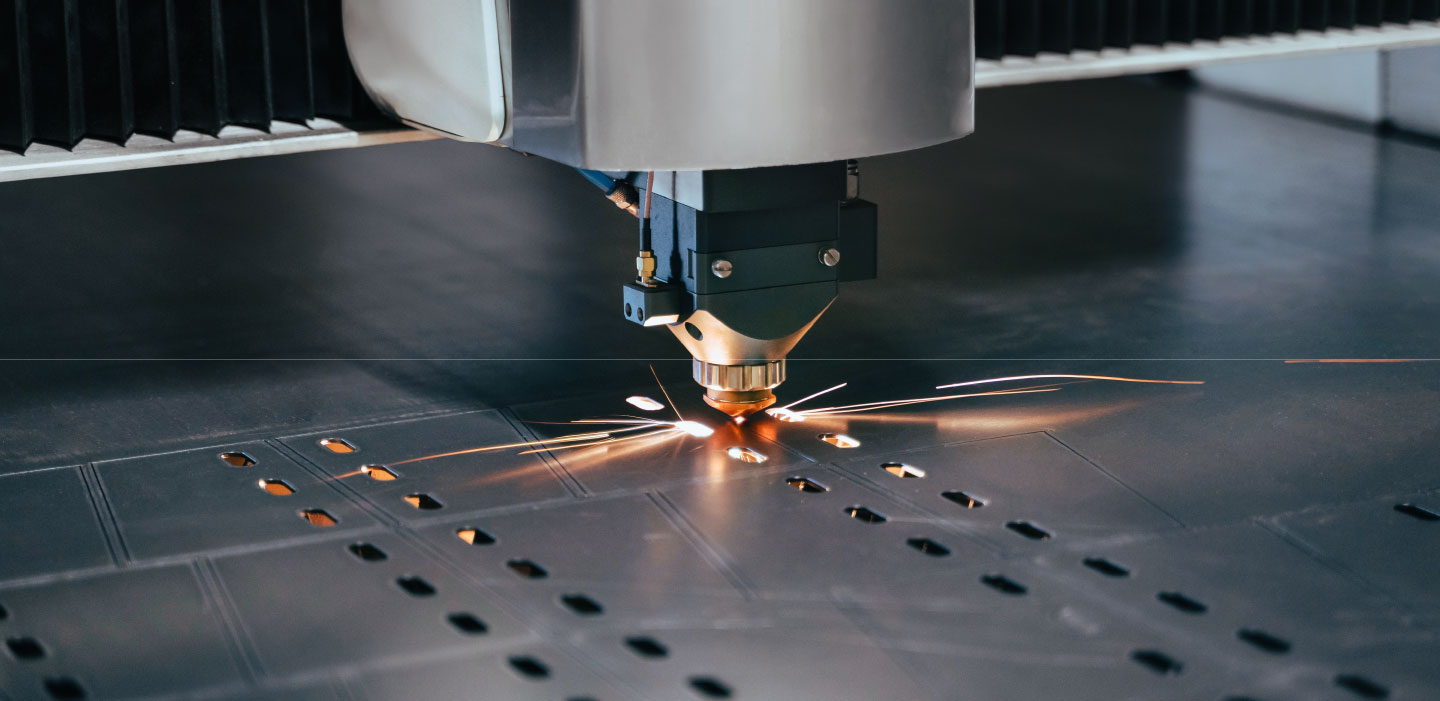
Laser Cutting
Laser cutting produces highly accurate profiles with clean edges and excellent repeatability. It is well suited for complex geometries, tight tolerances, and efficient material utilization.
Laser cutting is commonly used for:
- Precision brackets
- Machine components
- Mounting plates
- Custom panels
- Agricultural equipment parts
For many projects, laser cutting serves as the foundation before additional fabrication operations begin.
CNC Forming
After cutting, many components require bending or forming to achieve their final shape.
Modern CNC press brakes provide consistent bend angles and repeatable accuracy across production runs. Proper tooling selection and bend sequencing help minimize variation while maintaining part quality.
Engineers often consider bend radius, material thickness, and springback during the design stage to improve manufacturability.
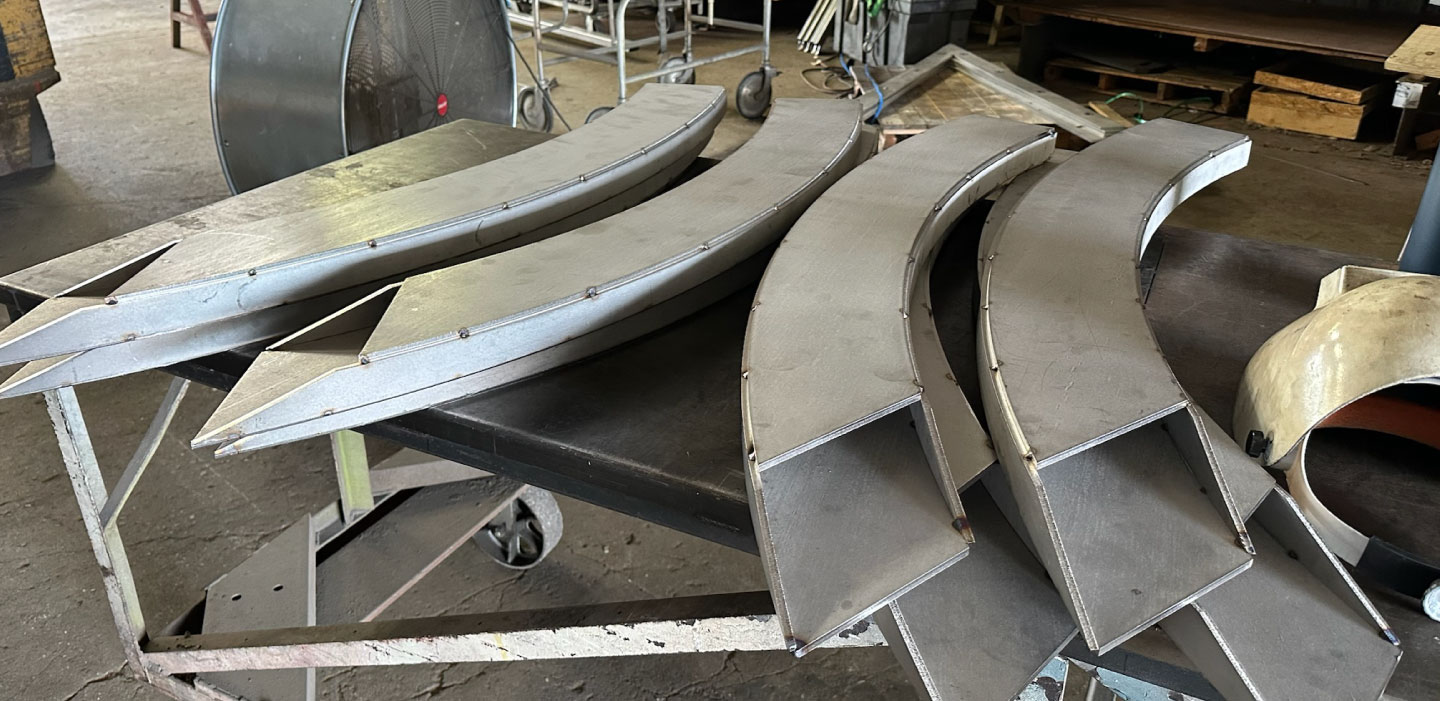
Welding and Assembly
Many fabricated components consist of multiple pieces joined together through welding or mechanical assembly.
Depending on the application, fabrication partners may provide:
- MIG welding
- TIG welding
- Spot welding
- Hardware installation
- Complete mechanical assemblies
Consolidating these services with one manufacturer often reduces handling, shortens lead times, and simplifies supplier management.
Secondary Operations
Finished parts frequently require additional manufacturing processes before shipment.
Common secondary operations include:
- Drilling
- Tapping
- Countersinking
- Deburring
- Grinding
- Surface finishing
- Powder coating
- Painting
A supplier capable of managing multiple operations internally can often reduce production delays while improving overall quality control.
Material Selection Matters
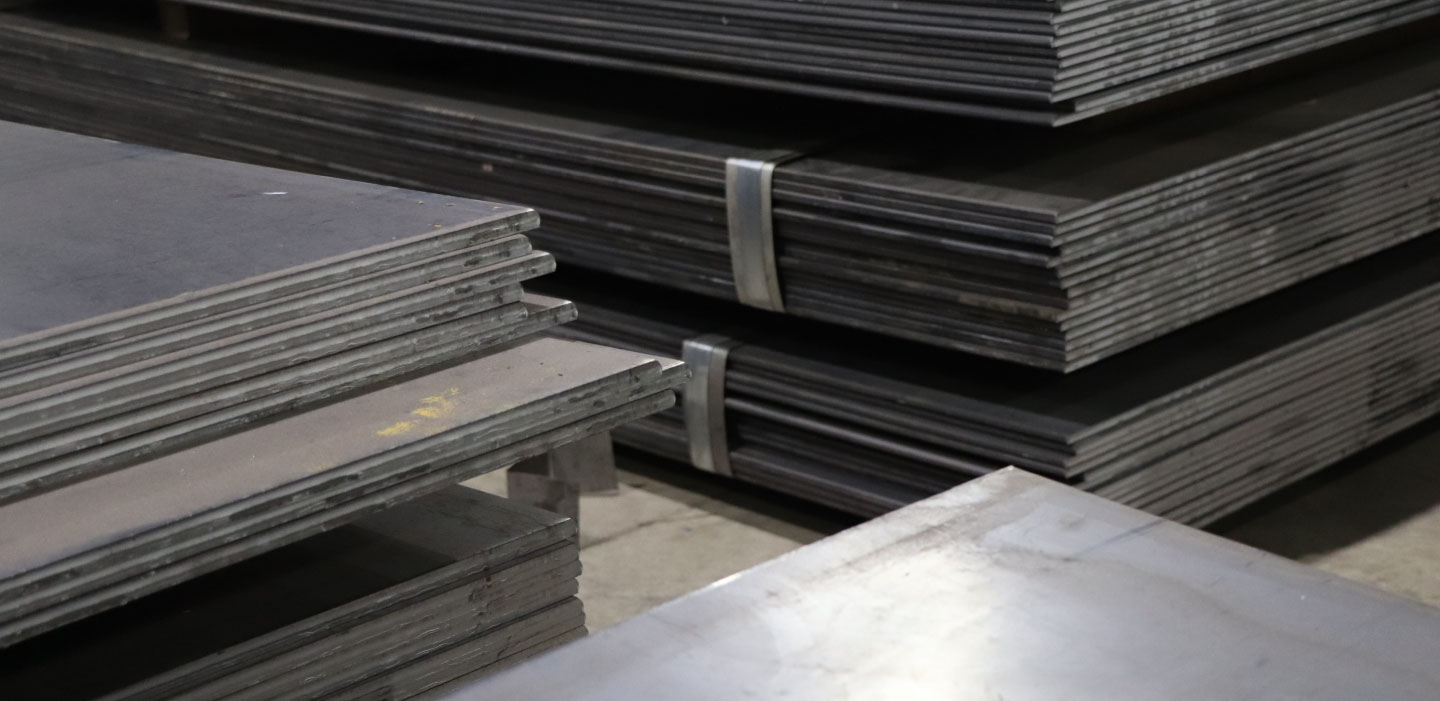
Successful sheet metal work begins with selecting the appropriate material for the application.
Common materials include:
- Carbon steel
- Stainless steel
- Aluminum
- Galvanized steel
- Cold rolled steel
- Hot rolled steel
Material selection depends on factors such as:
- Required strength
- Corrosion resistance
- Weight
- Weldability
- Cost
- Environmental exposure
For example, stainless steel is often selected for corrosion resistance, while aluminum provides an excellent strength-to-weight ratio for many transportation and equipment applications.
Working with an experienced fabrication partner early in the design process can help identify opportunities to improve manufacturability while controlling material costs.
Design Considerations That Improve Fabrication
Well-designed parts are often easier, faster, and more economical to manufacture.
Engineers can improve fabrication outcomes by considering:
- Standard material thicknesses
- Appropriate bend radii
- Hole placement near bends
- Realistic tolerances
- Accessible weld locations
- Material grain direction when applicable
Small design changes made before production can reduce tooling complexity, improve repeatability, and lower overall manufacturing costs.
Many fabrication partners also provide Design for Manufacturability (DFM) recommendations during quoting to identify potential improvements before production begins.
What to Look for in a Sheet Metal Work Partner
Choosing the right fabrication partner involves more than comparing pricing.
A qualified manufacturer should demonstrate expertise in production planning, quality control, and process consistency.
When evaluating potential suppliers, consider:
- Experience with your industry
- Modern CNC fabrication equipment
- Welding and assembly capabilities
- Quality inspection procedures
- Material sourcing expertise
- Capacity to support production growth
- Engineering support during project development
Manufacturers that offer multiple fabrication services under one roof can often simplify procurement while improving communication throughout the project.
If your products require repeat orders, ask potential suppliers about process documentation, quality systems, and production controls that help ensure consistency over time.
Industries That Depend on Precision Sheet Metal Work
Virtually every industrial manufacturing sector relies on fabricated sheet metal components.
Some of the most common applications include:
Agricultural Equipment
Agricultural machinery requires durable fabricated components capable of withstanding vibration, impact, moisture, and demanding operating conditions.
Industrial Equipment
Machine builders depend on precision sheet metal for frames, guards, panels, electrical enclosures, and structural assemblies.
Heavy Equipment
Heavy equipment manufacturers require fabricated components with consistent dimensional accuracy and dependable weld quality to support reliable field performance.
Commercial Manufacturing
OEMs across numerous industries use custom sheet metal work for production equipment, support structures, housings, and integrated assemblies.
Why Manufacturing Experience Makes a Difference
Advanced fabrication equipment is only one part of producing high-quality sheet metal components.
Successful production also depends on experienced manufacturing teams that understand material behavior, fabrication sequencing, quality requirements, and production efficiency.
An experienced fabrication partner can help:
- Identify manufacturing improvements during design
- Recommend cost-effective fabrication methods
- Reduce unnecessary production complexity
- Maintain consistent quality throughout production
- Deliver production-ready components on schedule
These capabilities become especially valuable for OEMs managing ongoing production programs where consistency and supplier reliability directly affect delivery performance.
Partner with Budde Sheet Metal Works
Budde Sheet Metal Works provides precision sheet metal fabrication backed by modern equipment, experienced craftsmanship, and the manufacturing expertise needed to support demanding industrial applications. From cutting and forming to welding, finishing, and assembly, our team delivers production-ready components designed to meet your specifications.
Contact Budde Sheet Metal Works today to discuss your next sheet metal fabrication project or request a quote.