CNC sheet metal fabrication combines computer-controlled equipment with coordinated manufacturing processes to produce accurate, repeatable metal components.
For engineers and procurement teams, the value of CNC fabrication extends beyond dimensional accuracy. A well-planned process can shorten production cycles, reduce material waste, improve consistency, and support a smoother transition from prototype to full-scale production.
Understanding the available processes and design considerations can help buyers develop clearer RFQs, evaluate suppliers, and control total project costs.
What Is CNC Sheet Metal Fabrication?
CNC sheet metal fabrication uses programmed machinery to cut, form, mark, and machine metal according to digital design files. CNC stands for computer numerical control, which means the equipment follows programmed instructions to perform each operation.
A typical fabrication workflow may include:
- CAD/CAM programming
- CNC laser cutting
- CNC punching or machining
- Press brake forming
- Welding
- Hardware installation
- Grinding and deburring
- Finishing
- Assembly
- Quality inspection
The exact sequence depends on the material, geometry, tolerances, production quantity, and end-use requirements.
Key CNC Processes Used in Sheet Metal Fabrication
Several CNC processes may contribute to a completed sheet metal part or assembly.
CNC Laser Cutting
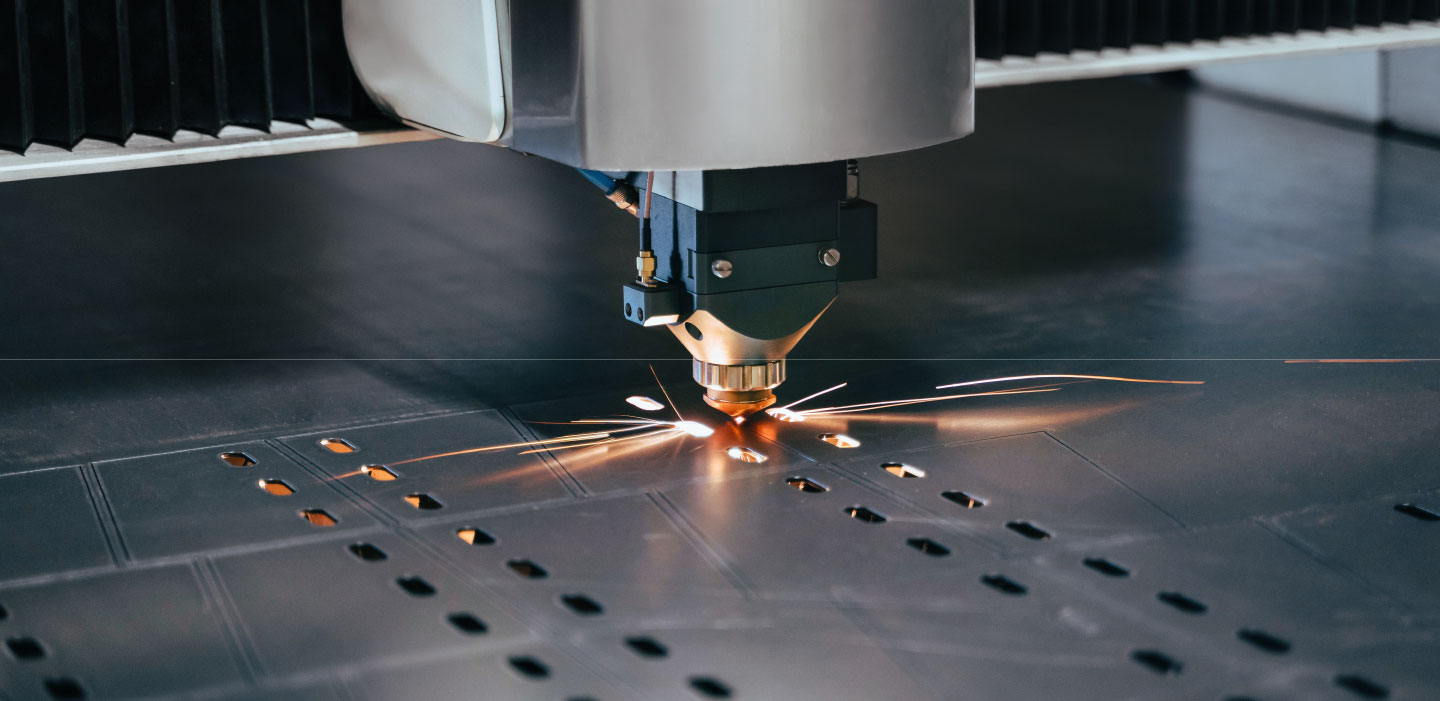
Laser cutting uses a focused beam to create profiles, holes, slots, and other features in flat sheet or plate. It provides clean cuts, accurate feature placement, and the flexibility to produce complex geometries without dedicated hard tooling.
Modern laser cutting systems also support efficient nesting, which arranges multiple parts on a sheet to improve material utilization. This can reduce scrap and lower the material cost per part, especially across repeat orders.
CNC laser cutting is commonly used to produce:
- Brackets and mounting plates
- Machine panels
- Equipment guards
- Enclosure components
- Agricultural equipment parts
- Structural components
- Assembly tabs and locating features
CNC Press Brake Forming
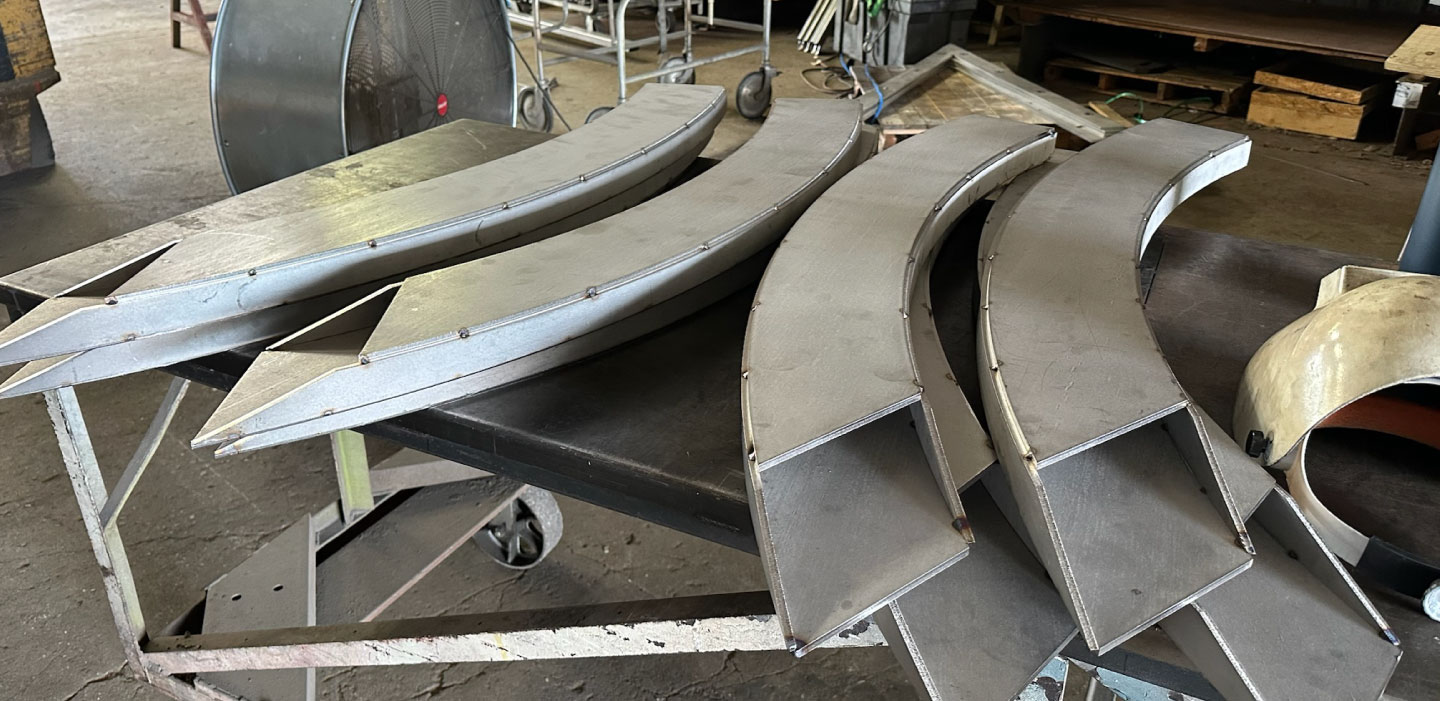
After cutting, flat blanks can be shaped using CNC press brakes. The machine controls the movement of the ram and back gauge to position each bend according to the programmed sequence.
Effective forming requires careful consideration of bend radii, material thickness, grain direction, tooling, and springback. Hole placement and other features near bend lines also affect the final result.
When laser cutting and bending are coordinated, the manufacturer can account for how cut features will align after forming. This integration helps produce parts that fit properly during welding or assembly.
CNC Machining and Secondary Operations
Some sheet metal parts require features that cannot be produced through laser cutting or forming alone. CNC machining may be used to add precision holes, threads, pockets, countersinks, or machined surfaces.
Additional operations can include tapping, deburring, grinding, hardware insertion, marking, and etching. Keeping these operations within a coordinated production workflow reduces handling and gives the supplier greater control over part quality and scheduling.
How CNC Fabrication Supports Quality and Repeatability
One of the most important advantages of CNC sheet metal fabrication is process repeatability. Once a program has been developed and validated, the equipment can reproduce the same cutting and forming sequence across a production run.
This consistency supports:
- Reliable hole and feature placement
- Repeatable bend locations and angles
- Consistent fit between mating components
- Faster setup for repeat orders
- Reduced manual measurement and layout
- Traceable revision control
Repeatability becomes especially valuable for OEMs purchasing components across multiple builds. Parts must fit into established assemblies without creating delays, rework, or field installation problems.
Realistic tolerances remain essential. Applying extremely tight tolerances to every dimension can increase inspection requirements, setup time, and manufacturing cost. Engineers should identify the dimensions that directly affect fit and function, then assign tolerances based on process capability.
Design Decisions That Affect Cost and Manufacturability
Many CNC fabrication costs are determined before a part reaches the shop floor. Early design decisions influence material utilization, tooling requirements, setup time, forming complexity, welding labor, and inspection.
Engineers can improve manufacturability by considering:
- Standard sheet sizes and material thicknesses
- Bend radii appropriate for the selected material
- Adequate spacing between holes and bend lines
- Consistent bend directions where practical
- Accessible weld joints
- Common hardware and fasteners
- Practical tolerances
- Efficient part nesting
- Assembly features that support alignment
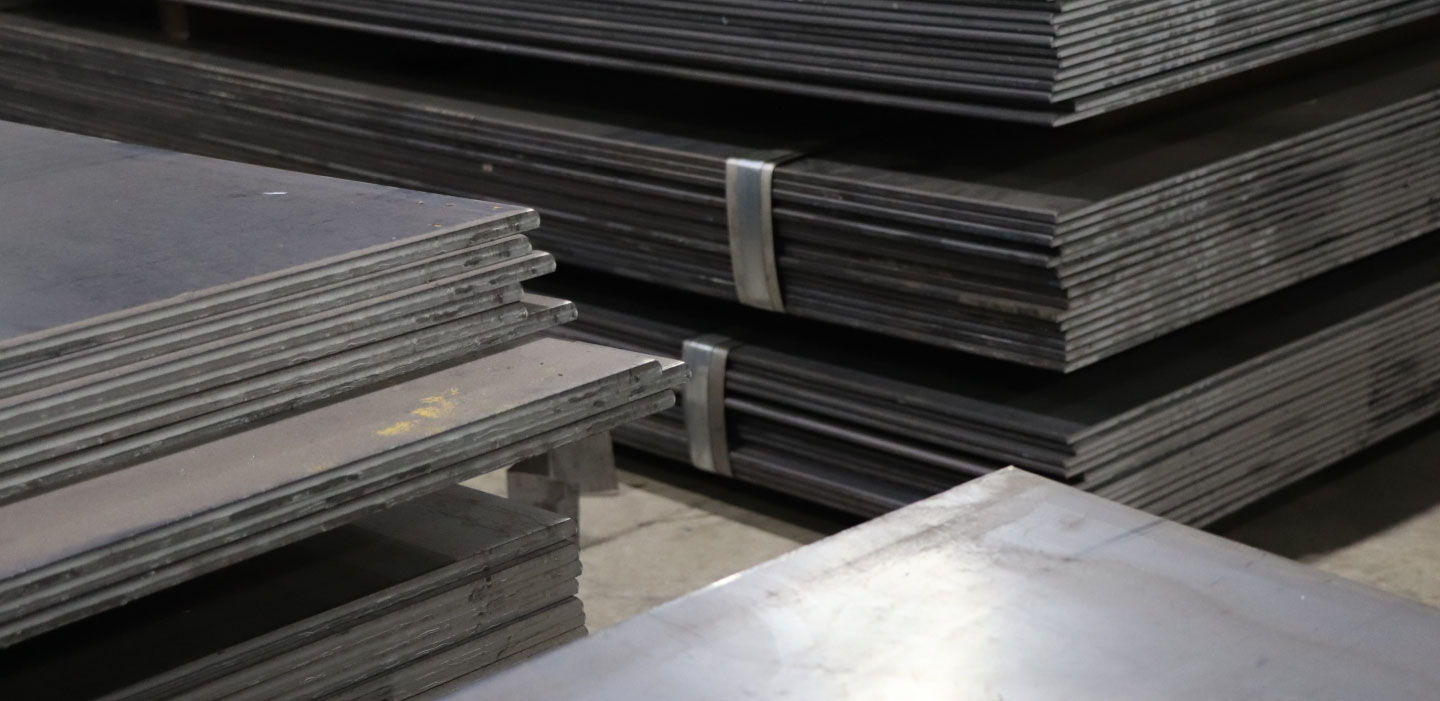
Material selection also has a major impact. Carbon steel, stainless steel, aluminum, and specialty metals respond differently to cutting, bending, and welding. Strength, weight, corrosion resistance, surface finish, weldability, and operating environment should all inform the decision.
Involving a fabricator during design development can uncover opportunities to simplify geometry, combine components, reduce weld time, or improve access for tooling. These changes can lower production costs while preserving the required performance.
What to Include in a CNC Sheet Metal Fabrication RFQ
A complete RFQ allows suppliers to assess the project accurately and recommend an appropriate manufacturing approach. Whenever possible, provide:
- 3D CAD models and 2D drawings
- Material type, grade, and thickness
- Required quantities
- Critical dimensions and tolerances
- Welding specifications
- Hardware requirements
- Surface finish or coating requirements
- Inspection and documentation needs
- Target delivery schedule
- Expected repeat-order volume
It also helps to identify the component’s function and operating environment. This context allows the fabricator to evaluate whether the specified material, tolerances, and processes align with the application.
Choosing a CNC Sheet Metal Fabrication Partner
Budde Sheet Metal Works provides CNC fabrication services for complex industrial components, including laser cutting, laser marking and etching, press brake forming, welding, and assembly.
With more than a century of fabrication experience, Budde helps equipment manufacturers move projects from initial concept through production-ready parts. Request a quote to discuss your drawings, quantities, quality requirements, and delivery goals.